Leaderboards
Congress ranked on things that can be counted from the record — not on anyone's judgement of who is doing a good job. Every figure here shows what it's out of, and every name links to the votes behind it.
Lowest Face Value: bills that reach furthest past their name
Face Value starts every bill at 100 and takes points off for each title of the US Code it amends beyond the first, and for its length. Counted from the bill's own published text.
- 1S. 1071 National Defense Authorization Act for Fiscal Year 20261415 sections, 19 titles of the US Code · John Cornyn15Omnibus in all but name
- 1H.R. 3838 Securing American Funding and Expertise from Adversarial Research Exploitation Act of 2025979 sections, 17 titles of the US Code · Mike Rogers15Omnibus in all but name
- 1H.R. 8800 National Defense Authorization Act for Fiscal Year 2027810 sections, 14 titles of the US Code · Mike Rogers15Omnibus in all but name
- 1H.R. 7148 Transportation, Housing and Urban Development, and Related Agencies Appropriations Act, 2026752 sections, 22 titles of the US Code · Tom Cole15Omnibus in all but name
- 1S. 2296 National Defense Authorization Act for Fiscal Year 2026721 sections, 12 titles of the US Code · Roger F. Wicker15Omnibus in all but name
- 1S. 4784 National Defense Authorization Act for Fiscal Year 2027670 sections, 11 titles of the US Code · Roger F. Wicker15Omnibus in all but name
- 1S. 5066 Health Equity and Accountability Act of 2026519 sections, 9 titles of the US Code · Alex Padilla15Omnibus in all but name
- 1S. 5526 Agricultural Act of 2026514 sections, 9 titles of the US Code · John Boozman15Omnibus in all but name
- 1H.R. 5371 Legislative Branch Appropriations Act, 2026359 sections, 13 titles of the US Code · Tom Cole15Omnibus in all but name
- 10H.R. 7006 Department of the Treasury Appropriations Act, 2026248 sections, 13 titles of the US Code · Tom Cole21Sprawling
Bills of at least 25 sections whose text has been read. Breadth in a short bill is incidental; in a long one it is the point. The formula, in full. Face Value measures how far a bill reaches, not whether anyone was trying to mislead you — omnibus in all but name is a description of a document, not of its sponsor.
Voted against a bill they cosponsored
Putting your name on a bill is a dated, official act. This counts the times a member did that and then voted the other way on the floor.
- 1
 Nancy MaceR-SC-1of 16 commitments that reached a vote3
 - 1
 Shri ThanedarD-MI-13of 13 commitments that reached a vote3
 - 1
 Al GreenD-TX-9of 11 commitments that reached a vote3
 - 1
 Peter WelchD-VTof 19 commitments that reached a vote3
 - 1
 Adam B. SchiffD-CAof 18 commitments that reached a vote3
 - 1
 Ruben GallegoD-AZof 9 commitments that reached a vote3
 - 7
 Adam SmithD-WA-9of 16 commitments that reached a vote2
 - 7
 Keith SelfR-TX-3of 17 commitments that reached a vote2
 - 7
 Mark B. MessmerR-IN-8of 28 commitments that reached a vote2
 - 7
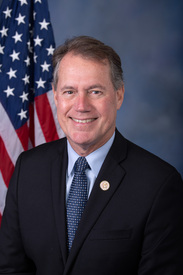 Ed CaseD-HI-1of 11 commitments that reached a vote2
Only commitments where the bill actually reached a decisive vote. Bills change between cosponsorship and passage, which is sometimes the honest reason.
Missed the most votes
Share of roll calls where a member was recorded as not voting. The denominator is their own roll calls, so someone sworn in mid-term isn't penalized for votes held before they arrived.
- 1
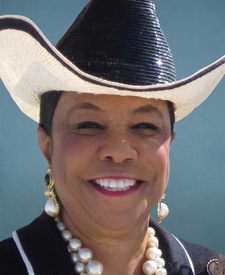 Frederica S. WilsonD-FL-24192 of 669 roll calls28.7%
 - 2
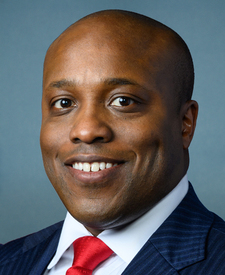 Wesley HuntR-TX-38160 of 669 roll calls23.9%
 - 3
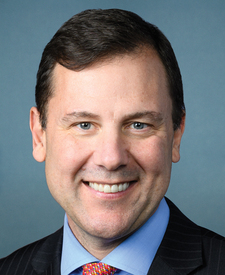 Thomas H. Kean, Jr.R-NJ-7144 of 669 roll calls21.5%
 - 4
 Mitch McConnellR-KY130 of 656 roll calls19.8%
 - 5
 Neal P. DunnR-FL-2118 of 669 roll calls17.6%
 - 6Nancy MaceR-SC-1117 of 669 roll calls17.5%
- 7
 Elise M. StefanikR-NY-21110 of 669 roll calls16.4%
 - 8Ruben GallegoD-AZ104 of 656 roll calls15.9%
- 8
 Thom TillisR-NC104 of 656 roll calls15.9%
 - 10
 Brittany PettersenD-CO-7102 of 669 roll calls15.2%
At least 100 recorded roll calls. A count, not a character judgement — illness, funerals and campaigns all show up here.
Voted against their own party most
Share of votes where a member broke with the majority of their own caucus. Their own vote is excluded from that majority before the comparison.
- 1
 Thomas MassieR-KY-4157 of 623 votes25.2%
 - 2
 Henry CuellarD-TX-28164 of 657 votes25.0%
 - 3
 Marie Gluesenkamp PerezD-WA-3143 of 657 votes21.8%
 - 3
 Donald G. DavisD-NC-1142 of 652 votes21.8%
 - 5
 Jared F. GoldenD-ME-2139 of 648 votes21.5%
 - 6
 Vicente GonzalezD-TX-34125 of 630 votes19.8%
 - 7
 Chip RoyR-TX-21121 of 627 votes19.3%
 - 8
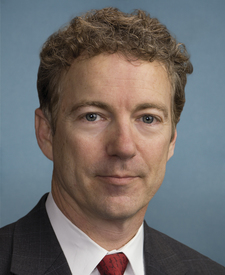 Rand PaulR-KY119 of 621 votes19.2%
 - 9
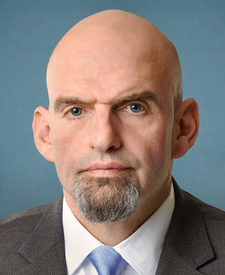 John FettermanD-PA116 of 627 votes18.5%
 - 10
 Adam GrayD-CA-13111 of 627 votes17.7%
At least 100 votes where their caucus wasn't already tied. Not a measure of principle — a safe seat makes this cheap and a marginal one makes it necessary.
Most money from outside their state
Share of itemised individual giving that came from donors in another state — people who can't vote for them.
- 1
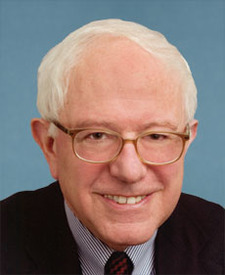 Bernard SandersI-VT$10.2M of $10.4M itemised97.6%
 - 2
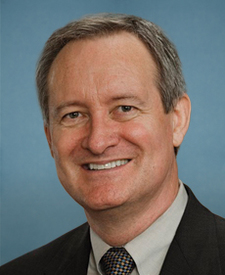 Mike CrapoR-ID$3.0M of $3.1M itemised94.9%
 - 2Mitch McConnellR-KY$4.6M of $4.9M itemised94.9%
- 4
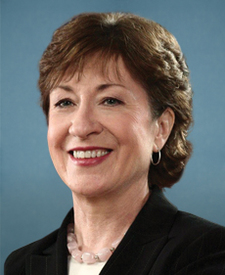 Susan M. CollinsR-ME$10.3M of $11.0M itemised93.4%
 - 4Thomas MassieR-KY-4$5.0M of $5.4M itemised93.4%
- 6Donald G. DavisD-NC-1$2.2M of $2.4M itemised93.1%
- 7
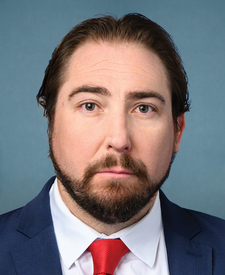 Elijah CraneR-AZ-2$5.7M of $6.2M itemised92.9%
 - 8
 John JamesR-MI-10$381k of $411k itemised92.8%
 - 9
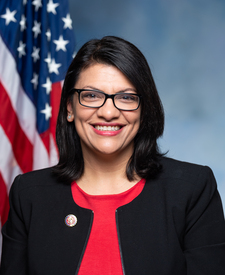 Rashida TlaibD-MI-12$1.7M of $1.8M itemised92.7%
 - 10
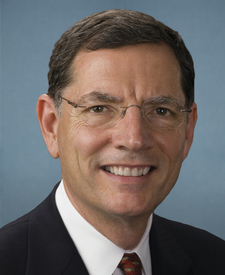 John BarrassoR-WY$5.3M of $5.8M itemised92.5%
Covers the 534 members whose filings are loaded. Members with at least $100k from individuals. State, not district: ZIP codes straddle districts, so this is a floor for House members.
Most small-dollar funded
Share of individual giving that came in amounts under $200 — small enough that the FEC never asks who gave it.
- 1Bernard SandersI-VT$30.7M of $33.1M92.8%
- 2
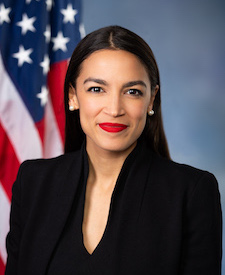 Alexandria Ocasio-CortezD-NY-14$29.1M of $32.0M90.9%
 - 3
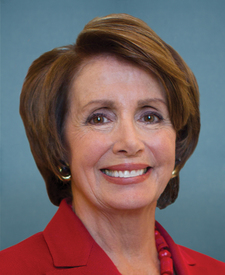 Nancy PelosiD-CA-11$2.1M of $2.4M85.1%
 - 4
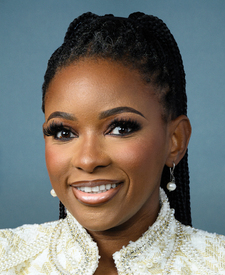 Jasmine CrockettD-TX-30$6.4M of $7.7M83.3%
 - 4Elijah CraneR-AZ-2$8.0M of $9.6M83.3%
- 6
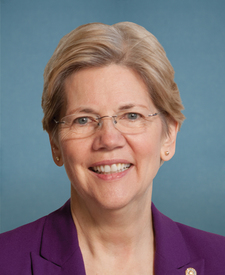 Elizabeth WarrenD-MA$17.0M of $20.7M82.1%
 - 7
 Ilhan OmarD-MN-5$4.5M of $5.6M79.5%
 - 8
 LaMonica McIverD-NJ-10$1.1M of $1.4M76.7%
 - 9
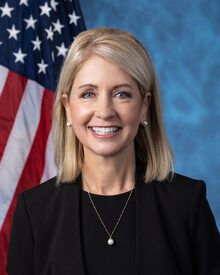 Mary E. MillerR-IL-15$931k of $1.2M76.6%
 - 10
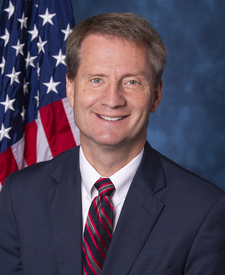 Tim BurchettR-TN-2$1.4M of $1.9M75.9%
Covers the 534 members whose filings are loaded. Members with at least $100k from individuals.
Most maximum-sized contributions
Contributions at or above one full election maximum. A campaign funded by a thousand of these has a different base from one funded by ten.
- 1
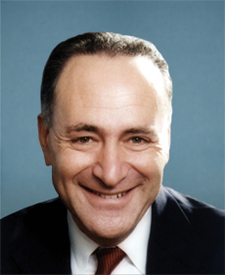 Charles E. SchumerD-NYcontributions at the legal maximum7,032
 - 2
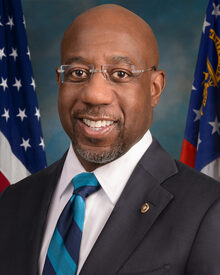 Raphael G. WarnockD-GAcontributions at the legal maximum5,942
 - 3
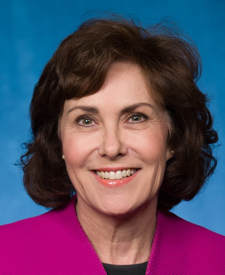 Jacky RosenD-NVcontributions at the legal maximum4,824
 - 4Adam B. SchiffD-CAcontributions at the legal maximum4,802
- 5Ruben GallegoD-AZcontributions at the legal maximum4,674
- 6
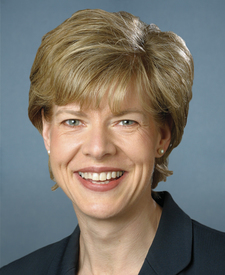 Tammy BaldwinD-WIcontributions at the legal maximum4,570
 - 7
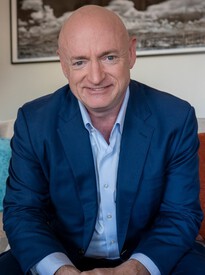 Mark KellyD-AZcontributions at the legal maximum3,574
 - 8
 David McCormickR-PAcontributions at the legal maximum3,032
 - 9
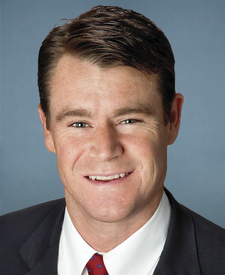 Todd YoungR-INcontributions at the legal maximum3,000
 - 10
 Catherine Cortez MastoD-NVcontributions at the legal maximum2,887
Covers the 534 members whose filings are loaded. Counts as filed, across the most recent cycle with activity for each member.
Top recipients from National Association of Realtors
Direct contributions from one organization's political action committee to sitting members.
- 1
 Frank D. LucasR-OK-35 contributions$25k
 - 1
 Monica De La CruzR-TX-158 contributions$25k
 - 1
 Tom ColeR-OK-46 contributions$25k
 - 4
 Julie FedorchakR-ND-AL6 contributions$23k
 - 5
 Stephanie I. BiceR-OK-58 contributions$22k
 - 6
 Mike BostR-IL-128 contributions$20k
 - 6
 Andrew S. ClydeR-GA-95 contributions$20k
 - 6
 Sanford D. Bishop, Jr.D-GA-26 contributions$20k
 - 6
 John R. CarterR-TX-317 contributions$20k
 - 6
 Andy BarrR-KY-67 contributions$20k
One named PAC, not an industry. Grouping companies into industries means inventing a taxonomy, and getting it wrong would be a confident claim about a real person.
How to read these
These are counts, not judgements. Missing votes can mean a member was campaigning, or it can mean they were having chemotherapy. Breaking with your party can be courage or it can be a safe seat. The number says what happened. It doesn't say why.
Ties share a place. Four members on three broken commitments are all fourth. Calling them fourth, fifth, sixth and seventh would invent an order the data doesn't contain.
Thin records are left out rather than ranked. Nine roll calls or two thousand dollars raised is enough to top a percentage table by accident. Each board says what it excluded and why.
There's no board for agreeing with VoteWire users. It would look like a measure of Congress and would really be a measure of who signed up here — a small, self-selected group. It gets built when the sample can carry it.